Proving Third-Degree Burn Surface Area When Hospitals Disagree on TBSA Percentages
Severe burn injuries turn life upside down in an instant. If you or someone you love has suffered third-degree burns, you’re likely dealing with pain, fear, long hospital stays, and unanswered questions about what comes next.
Many people are overwhelmed to learn that even hospitals can disagree about how serious your burns are, especially when those disagreements affect treatment decisions and your legal options. Feeling caught in the middle of conflicting medical opinions can make an already devastating situation feel even heavier.
At Pelham Law Firm, I represent individuals whose lives have been profoundly affected by catastrophic burn injuries. My practice focuses on helping clients understand and address disputes that may impact their recovery and potential compensation. Based in Tallahassee, Florida, I serve clients throughout the state. If you have questions about burn severity and how disagreements over classification may affect your case, reach out to discuss your situation and available options.
When doctors talk about burn severity, they often refer to the Total Body Surface Area (TBSA). In legal claims involving third-degree burns, TBSA Percentages aren’t just numbers on a chart—they can influence everything from the length of hospitalization to the amount of compensation you may seek.
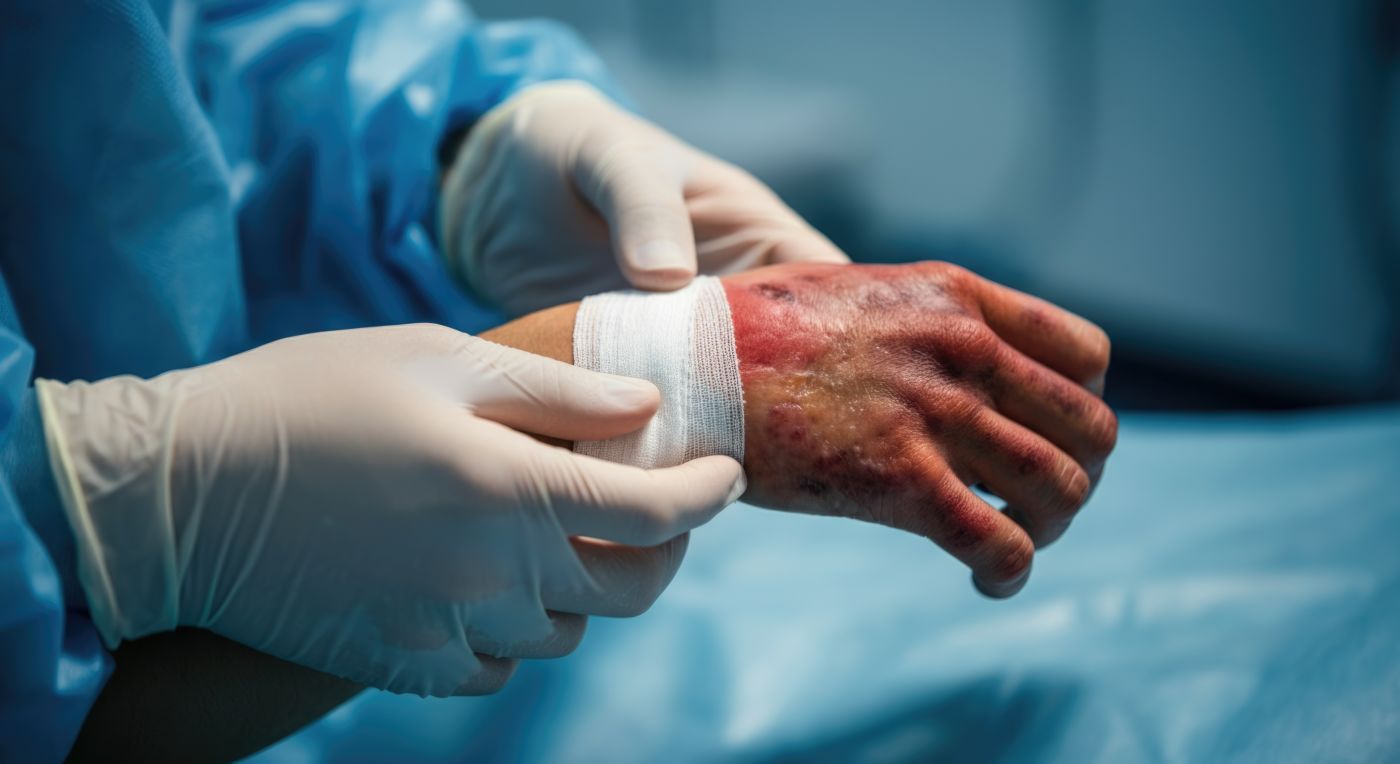
Third-degree burns destroy all layers of the skin and often require skin grafts, multiple surgeries, and extensive long-term rehabilitation. As a result, even small differences in TBSA percentages can influence how insurers, courts, and juries assess the severity of your injuries and the compensation you may receive.
A hospital that documents a lower percentage may unintentionally minimize the lasting impact of your burns, while another facility may record a higher figure based on a different assessment method.
Disputes over TBSA Percentages often arise because hospitals use varying tools and timing to evaluate burns. Swelling, infection, and evolving tissue damage can make early estimates differ from later ones. For you, the injured person, these disagreements can feel unfair, especially when your pain and limitations are very real.
Hospitals don’t usually disagree out of bad faith. Differences in TBSA Percentages often stem from how and when the burns are measured. Recognizing these causes helps explain why your records may not match.
Before looking at specific factors, it’s important to remember that burn assessments are snapshots in time. As your condition changes, so can the numbers used to describe it.
Key factors that lead to differing TBSA assessments include:
Timing of the evaluation: Early assessments may underestimate burn depth or spread, while later evaluations may capture progression.
Measurement method used: Some providers rely on the Rule of Nines, while others use the Lund and Browder chart, which can yield different results.
Patient-specific factors: Age, body composition, and preexisting conditions can affect how surface area is calculated.
Documentation practices: One facility may be more detailed than another when charting burn areas.
These differences don’t mean your injuries are less serious. They do mean that your case needs careful attention, as TBSA Percentages vary. By addressing these issues directly, I help clients present a clearer picture of what they’ve endured before moving forward.
Third-degree burns don’t always reveal their full extent immediately. In the days following an injury, tissue damage can worsen, and areas that initially appeared less severe may later be classified as full-thickness burns. This evolution is one reason TBSA Percentages can change from one hospital record to another.
Medical providers reassess burns as swelling decreases, dead tissue is removed, and surgical interventions occur. From a legal standpoint, later assessments often provide a more accurate reflection of permanent damage. However, insurers may attempt to rely on earlier, lower TBSA Percentages to reduce the value of a claim.
This is where an experienced attorney like me can make a difference. I review the full timeline of your care, not just the first set of numbers, to show how your injuries progressed and why later evaluations matter. By placing each TBSA calculation in context, I help decision-makers see the reality of your condition rather than a single, isolated figure.
Conflicting medical records don’t automatically weaken your case. In fact, they can open the door to a deeper explanation of your injuries when handled correctly. Proving accurate TBSA Percentages involves more than pointing to one hospital chart over another.
Before listing specific proof strategies, it’s helpful to know that consistency and clarity are key. The goal is to explain why differences exist and which assessment best represents your lasting harm.
Ways TBSA discrepancies are addressed in burn injury claims include:
Comparing assessment methods: Showing how different charts or formulas led to different outcomes.
Highlighting progression of injury: Demonstrating how burns deepened or spread after the initial evaluation.
Using surgical records: Grafting procedures and operative notes often reveal the true extent of third-degree burns.
Referencing rehabilitation needs: Long-term therapy and limitations can support higher TBSA Percentages tied to permanent damage.
After presenting this information, I focus on tying the medical evidence back to your daily life. Pain, scarring, loss of mobility, and emotional trauma don’t disappear because hospitals disagreed early on. Addressing these points helps move the discussion from abstract percentages to real-world consequences before advancing to the next phase of your claim.
At Pelham Law Firm, I help clients push back against incomplete or misleading interpretations of TBSA Percentages. I’m proud to serve individuals and families in Tallahassee, Florida, and throughout Florida who need guidance during one of the most difficult times they’ll ever face. If conflicting medical opinions are standing in the way of your recovery and your future, reach out today to talk about how I can help you move forward with confidence.