How Is Lifetime Prosthetic Care Cost Calculated in Amputation Cases After a Truck Crash?
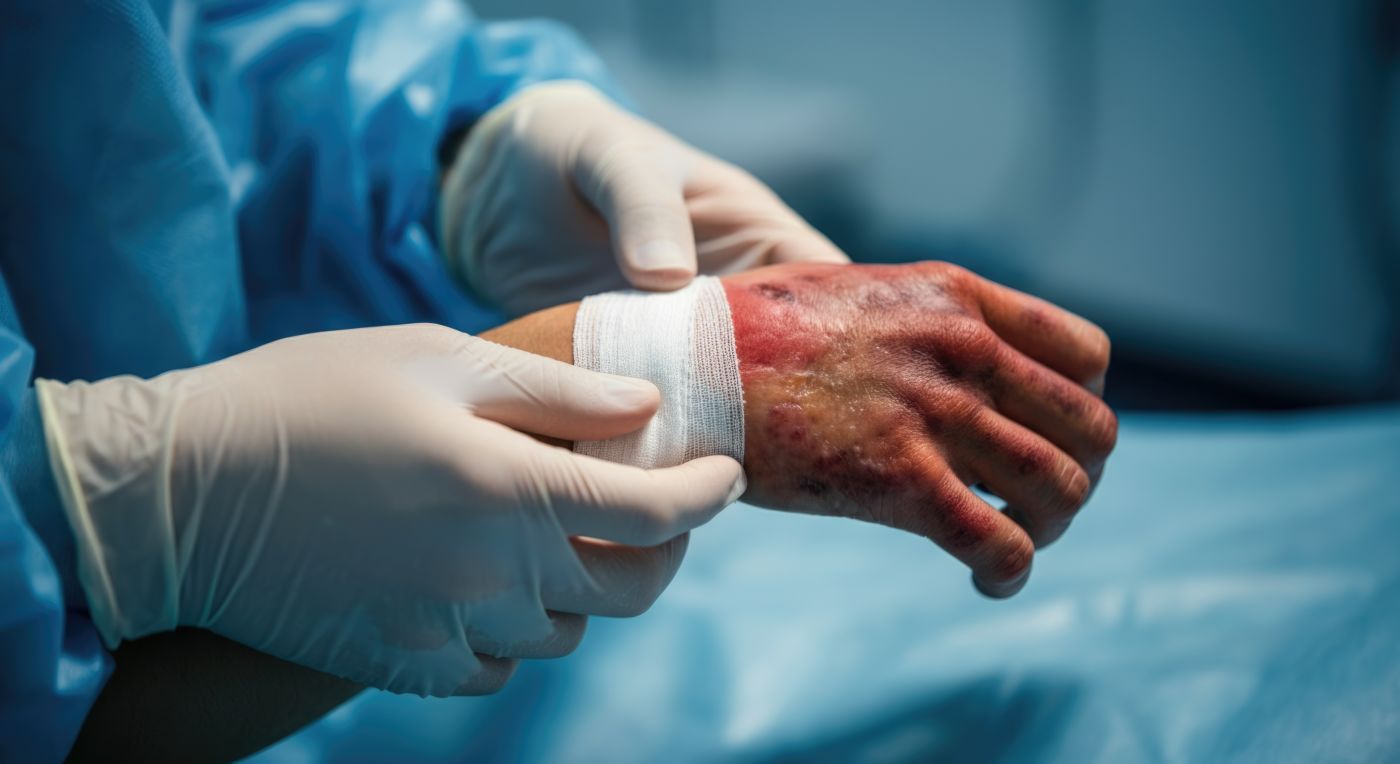
A severe truck accident can turn your life upside down in an instant. When that crash results in an amputation, the initial shock is often accompanied by a wave of concerns—questions about recovery, the ability to return to work, and how to cover long-term medical expenses. Prosthetics, physical therapy, and home modifications may become lifelong necessities. For many, it’s scary to envision what the future holds while still working through the challenges of healing from such a traumatic event.
If you’re facing these questions right now, I encourage you to contact me at Pelham Law Firm to discuss what you’re going through. From my office in Tallahassee, Florida, I serve clients throughout Florida who were injured in major commercial vehicle crashes. As a personal injury attorney handling catastrophic injury claims, I often see how the calculation of lifetime prosthetic care becomes one of the most disputed aspects of a case. I can explain how these projections are developed under Florida law and how I work to protect your long-term needs.
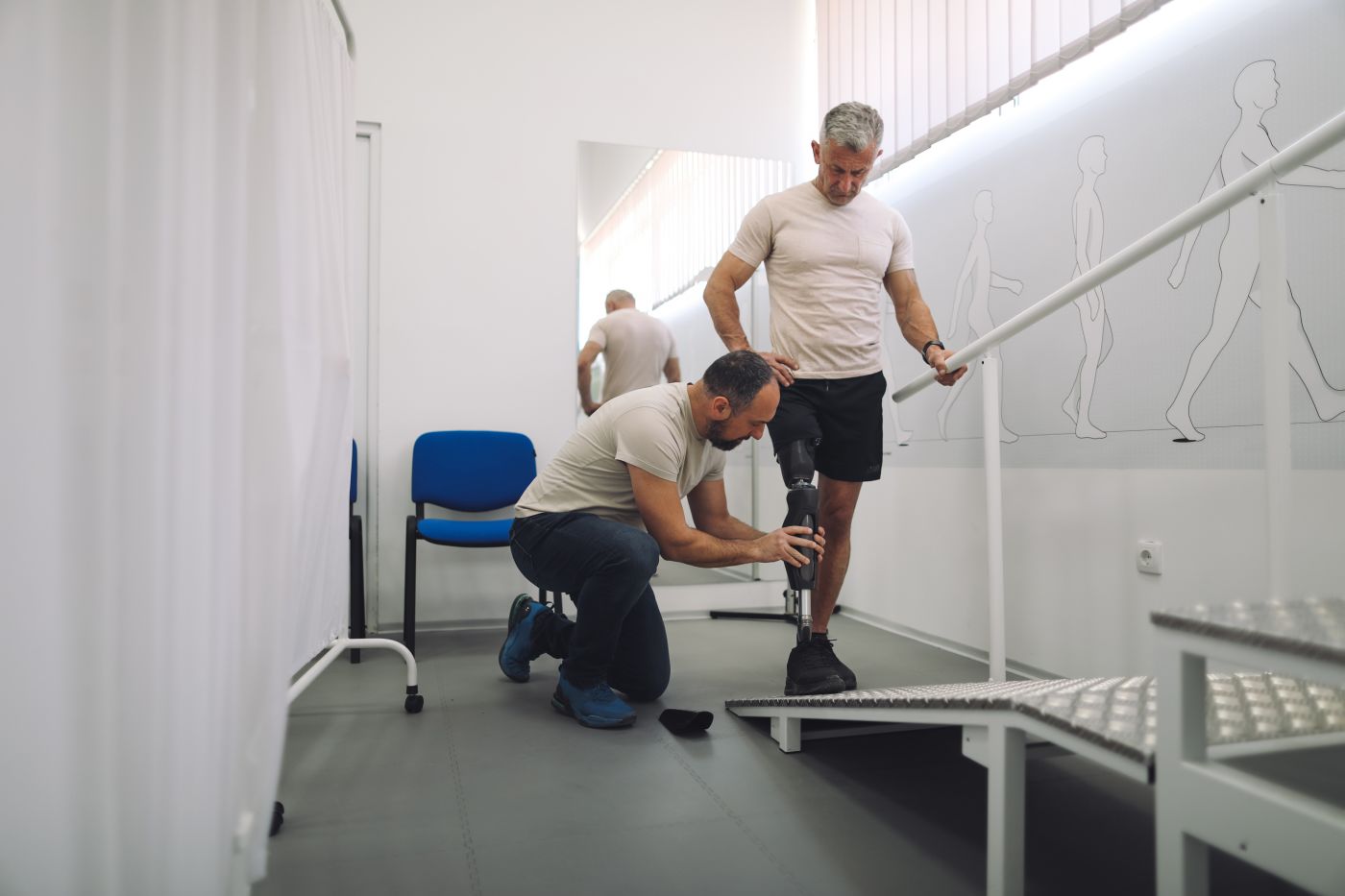
One of the first steps in projecting prosthetic costs is reviewing what your medical future may look like. Amputation care doesn’t stop once you leave the hospital. Many people require follow-up surgeries, physical therapy, wound care, and repeated fittings for artificial limbs as their bodies change.
Prosthetics themselves rarely last forever. Devices wear down, new technology becomes available, and changes in weight or activity levels may require replacement. Pediatric patients face additional challenges because growth alone requires frequent adjustments.
Several factors usually shape these calculations:
Anticipated number of prosthetic replacements
Type of device needed for daily function or work
Ongoing therapy and rehabilitation visits
Surgical revisions over time
Mobility aids or assistive equipment
The National Highway Traffic Safety Administration reports that large truck accidents frequently cause severe injuries with lasting medical impacts. This is why thorough planning is essential when assessing future needs. I collaborate with physicians and life-care planners to carefully map potential treatment scenarios, making certain every aspect of care is accounted for. This comprehensive medical overview serves as the basis for accurate financial projections.
Once the expected treatment is mapped out, attention turns to the cost of those services over decades. This includes not only prosthetic devices but also the appointments, repairs, and training that go with them.
Prices can vary widely depending on the type of limb required and technological advances. Some high-end devices carry high upfront costs and still require periodic upgrades. Inflation and rising health-care expenses also factor into future projections.
Common financial components include:
Initial prosthetic fittings and fabrication
Replacement devices every few years
Maintenance and repairs
Physical and occupational therapy
Transportation to medical visits
As a personal injury attorney, I don’t rely on guesswork when reviewing these numbers. I look for thorough documentation and realistic projections that reflect how your daily life has changed, not just what appears on early invoices.
Amputation can interrupt careers, limit job options, or require retraining for new work. Even when someone returns to work, hours or responsibilities may change, affecting long-term income. In addition to wages, some people need in-home assistance or workplace accommodations to stay independent. These services create ongoing expenses that should be considered alongside medical needs.
Areas often reviewed include:
Time missed during recovery
Reduced future earning ability
Career retraining programs
Home or vehicle modifications
Personal care assistance
As an experienced personal injury attorney, I evaluate these factors by focusing on how the injury altered your real-world routine. That includes hobbies, family roles, and activities that once felt simple but now require planning or support. These projections are only useful if they’re presented properly in court or settlement talks.
Insurance carriers and trucking companies frequently question long-term projections. They may argue that devices won’t cost as much as claimed or that future care is being overstated. That’s why detailed evidence plays such a major part in amputation cases.
Medical records, expert opinions, employment histories, and economic analyses are often combined to show how estimates were developed. Life-care plans frequently outline year-by-year expenses so decision-makers can see how costs accumulate over time.
Supporting proof often includes:
Physician treatment plans
Prosthetist recommendations
Rehabilitation reports
Wage statements and tax records
Economic forecasts tied to inflation
I review these materials closely before presenting them. My goal is to show how each figure connects to your lived experience, not just abstract math. That careful preparation carries through to every stage of the claim.
At Pelham Law Firm, I represent people from Tallahassee, Florida, and throughout Florida who are trying to rebuild their lives after devastating truck collisions. I know how frightening it can be to think about decades of medical care while you’re still focused on healing and adapting to daily changes.
When I review lifetime prosthetic care calculations, I review medical records, long-term treatment plans, and financial projections to make sure nothing important is overlooked. If you’re searching for an experienced attorney who will listen to your concerns, explain your options clearly, and fight for compensation that reflects what lies ahead, reach out to me today.